| Core question |
What has this condition stopped you from doing, and how do we get it back? |
What are you feeling and thinking, and where did these patterns come from? |
| Unit of work |
Daily occupations: routines, self-care, sleep, work, study, parenting, leisure, community participation. |
Internal experience: cognition, emotion, behaviour, relationships, meaning. |
| Where it happens |
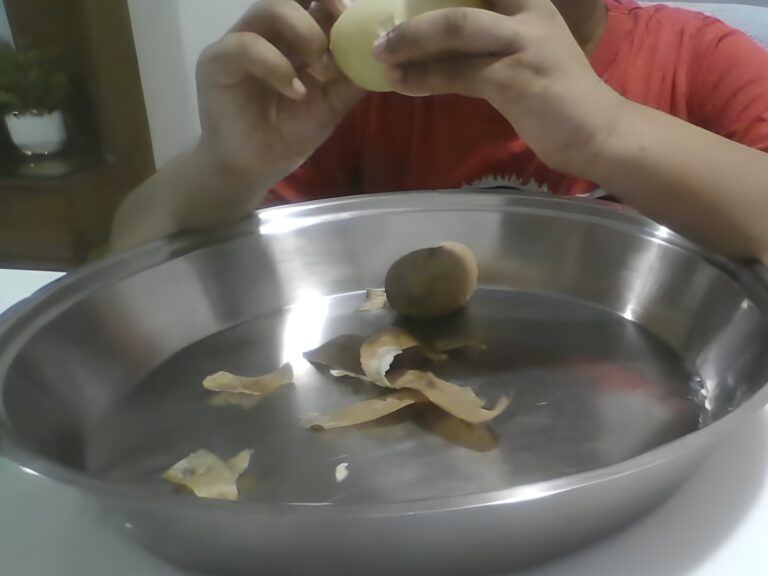
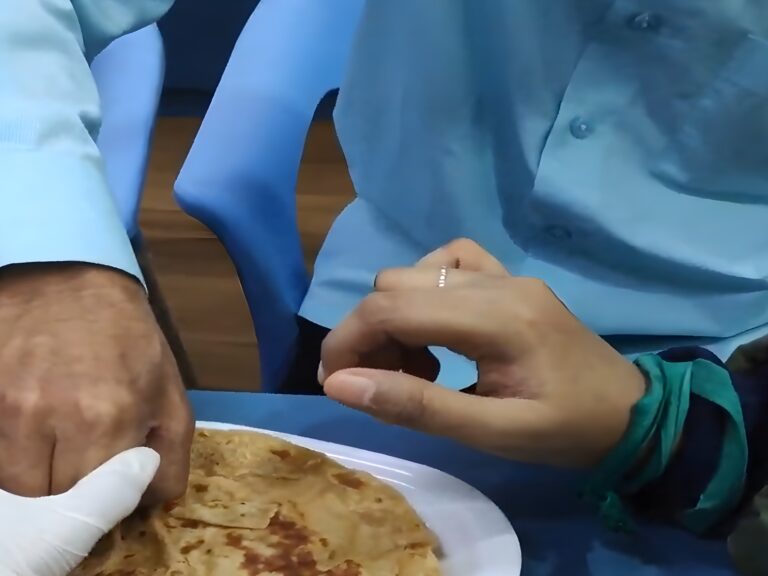
In the doing. Sessions are built around real tasks in real environments: the kitchen, the desk, the school morning. |
In the conversation. Structured therapeutic dialogue and reflection. |
| Problems people come to us with |
- I get through the workday and have nothing left.
- I know what I should be doing, but I can’t make myself start.
- My sleep has collapsed.
- School mornings end in tears.
- Certain sounds and crowded places send me over the edge.
- I’ve recovered physically but I haven’t got my life back.
- I’m capable at work and can’t manage a bill or a laundry basket.
|
- I can’t stop worrying.
- I feel low and I don’t know why.
- I keep reliving what happened.
- I’m angry all the time and I don’t recognise myself.
- I can’t get past this loss.
- The same thing keeps happening in every relationship.
- My child is anxious and won’t tell me what’s wrong.
|
| Typical assessments |
COPM (Canadian Occupational Performance Measure), Model of Human Occupation screening, Adult/Adolescent Sensory Profile, activity and time-use analysis, fatigue and sleep diaries. |
Clinical interview, standardised psychometrics, cognitive and personality assessment, diagnostic formulation. |
| Techniques used |
- Occupational and activity analysis with grading.
- Routine and habit restructuring.
- Sensory modulation (sensory diet, calming and alerting input, sensory kits).
- Self-regulation frameworks (Zones of Regulation, co-regulation, interoception work).
- Energy management and pacing using the 4 P’s: prioritise, plan, pace, position.
- Sleep-routine and circadian restructuring.
- Executive-function scaffolding (visual schedules, task chunking, external cueing, timers).
- Graded return to work, school or valued activity.
- Environmental and sensory modification of home and workspace.
- Life-skills training: cooking, money management, travel, self-care.
- Caregiver coaching.
|
- Cognitive Behavioural Therapy and cognitive restructuring.
- Behavioural activation.
- Acceptance and Commitment Therapy.
- DBT skills: distress tolerance, emotion regulation, interpersonal effectiveness.
- Trauma-focused approaches including EMDR and TF-CBT.
- Motivational interviewing.
- Solution-focused brief therapy.
- Play and expressive therapies for children.
- Parent behavioural training.
- Mindfulness-based interventions.
- Family and couples work.
|
| Often helps with |
- Depression that has flattened routine and self-care.
- Anxiety that has shrunk what a person will attempt.
- PTSD with sensory and hyperarousal triggers embedded in daily environments.
- Caregiver burnout.
- Adjustment after illness, injury or diagnosis.
- Autistic and ADHD burnout.
- Occupational collapse: the person who is “fine” until you ask what they actually did this week.
|
- Low mood, grief, stress and worry.
- Trauma processing.
- Self-esteem and identity.
- Relationship and family difficulty.
- Life transitions.
- Emotional patterns that repeat across contexts.
|
| Who it’s for |
Children, adolescents and adults. |
Children, adolescents and adults. |
| At Kikstart |
Delivered by our Mental Health Occupational Therapy team. |
Delivered by our psychology team. |